Mystic
Realms
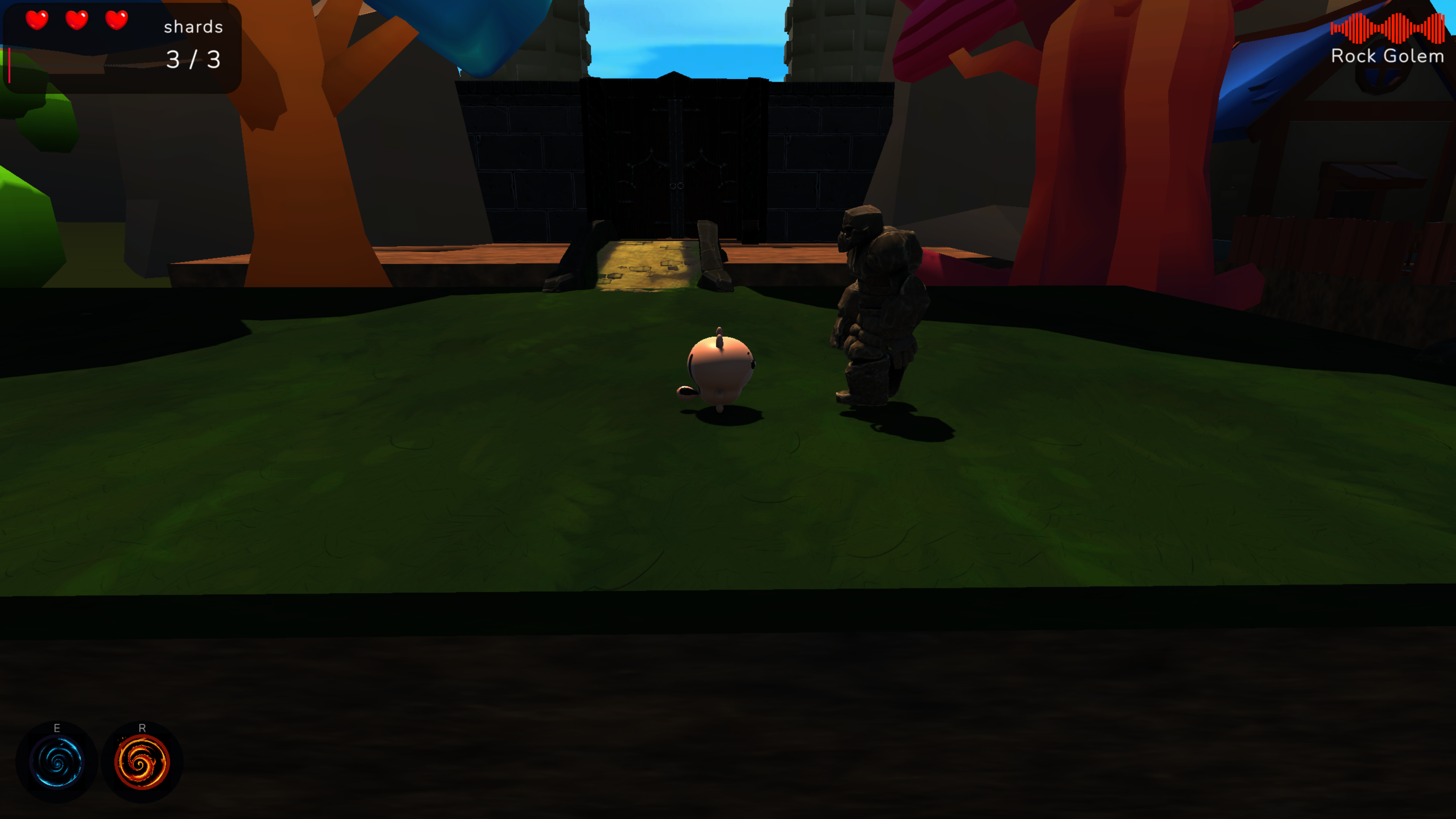
A 2.5D action-platformer built in Unity with a fully authored Wwise audio pipeline, RTPC-driven adaptive music, surface-based acoustic switching, spatial reverb zones, and psychoacoustic ability design. The anchor piece for game audio and interactive systems work.
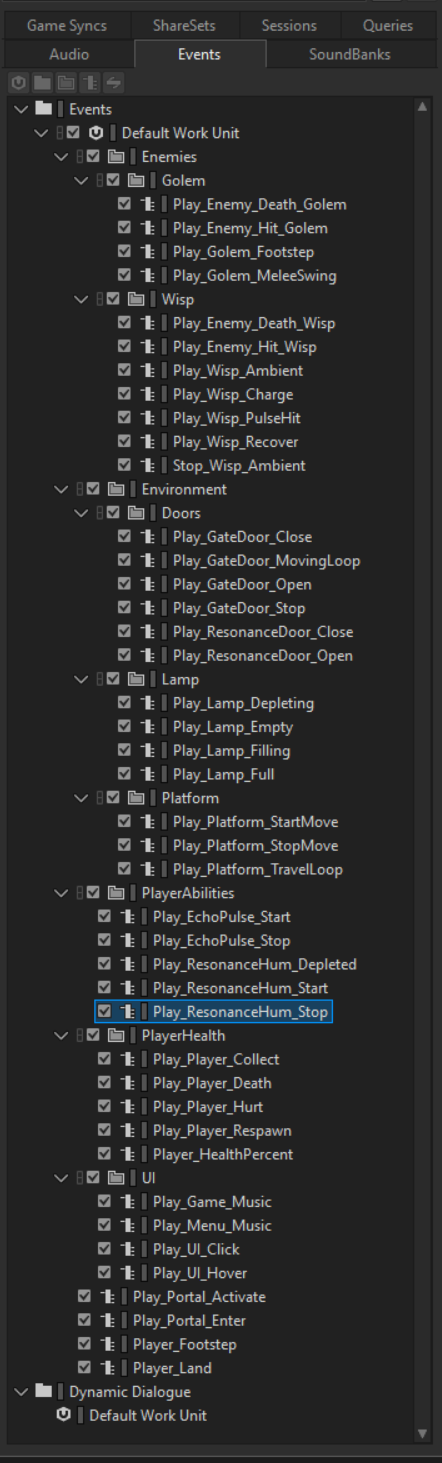
Audio Systems
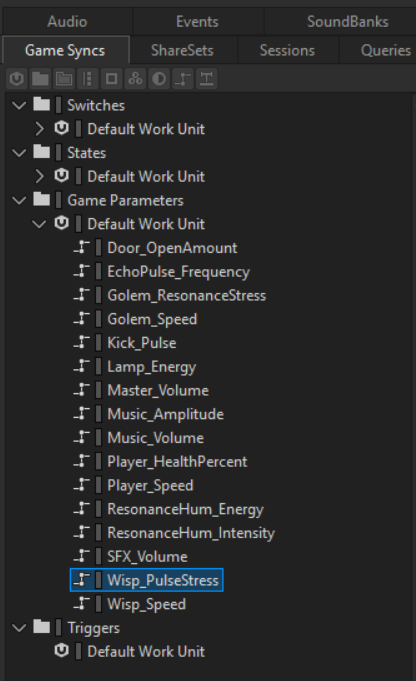
- RTPC-driven adaptive music: intensity values sent from the game loop update Wwise music segments in real time, responding to player health, enemy density, and zone state
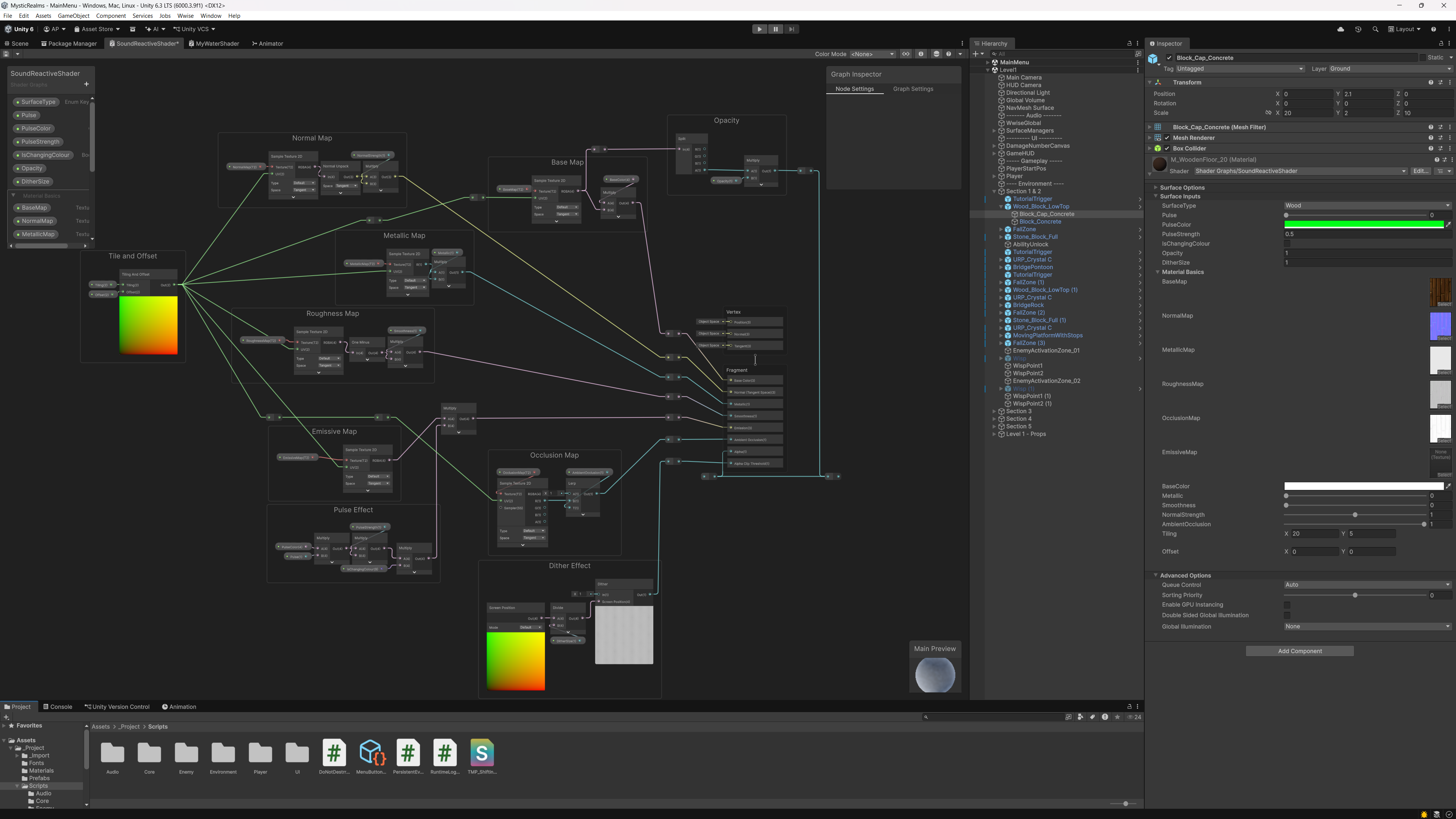
- Surface-based audio switching: footstep and collision sounds switch between material types (stone, water, wood, earth) via Wwise Switch Containers triggered from a C# surface query
- Spatial reverb zones: per-room acoustic profiles authored in Wwise Rooms & Portals, with Unity AkRoom components handling transitions
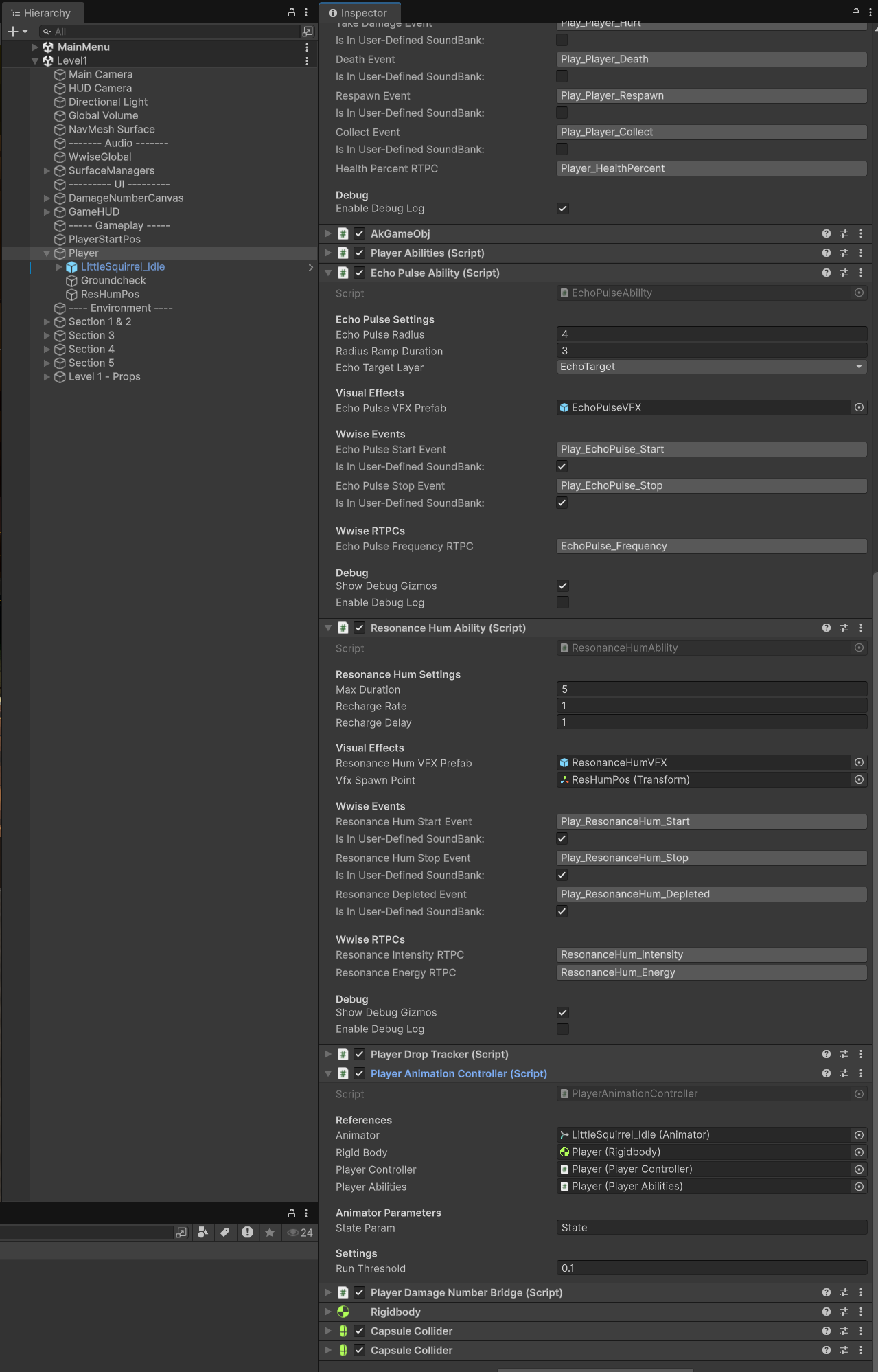
- Ability audio coupling: Echo Pulse and Resonance Hum abilities have layered procedural audio built from granular components, not static one-shots
- Distance-based occlusion: Wwise obstruction/occlusion driven by raycasts from the audio manager rather than Unity's built-in system
Engineering Decisions
Wwise over Unity Audio
Native Unity audio can't handle per-zone profiling or music segment branching at production quality. Wwise gives full authoring control and is the industry standard for shipped games.
C# Audio Manager as bridge
A dedicated AudioManager singleton handles all AkSoundEngine calls, RTPC updates, and state machine transitions, keeping audio logic out of individual gameplay scripts.
SoundBank per level
Each of the three levels loads its own SoundBank asynchronously at scene load to keep memory footprint predictable across builds.
Ability audio as systems, not assets
Ability sounds are parameterised: charge level, range, and collision type feed into the Wwise event as RTPCs and switches so the same event produces contextually different results.
Why the audio design is perception-led, not just technically correct
The acoustic decisions in Mystic Realms are grounded in auditory perception research, not just game audio convention. Surface materials are tuned to critical-band masking curves so footstep clicks don't compete with the music mid-range. Ability sounds use psychoacoustic brightness mapping, high-frequency transients signal immediate danger while sub-frequency presence signals power accumulation, exploiting the ear's natural hazard-detection response. Reverb tails are calibrated to just-noticeable-difference thresholds so zone transitions feel continuous rather than abrupt.
Critical Band Masking
Footstep and ambient layers sit in separate critical bands to prevent perceptual cancellation under music.
Loudness & Intensity Mapping
RTPC music intensity follows equal-loudness contour adjustments: perceived danger escalation matches actual dB change.
Reverb JND Thresholds
Zone reverb transitions are authored within just-noticeable-difference ranges so acoustic context shifts feel natural.
Interested in Game Audio?
If you're a game developer looking for a Wwise-experienced audio programmer, or a studio curious about perception-led audio design, reach out.